In this ever-growing digital society, maintaining connectivity with devices is vital for efficiency. Merchants are launching new slim and portable devices which are designed to look minimalist; unfortunately, the pre existing ports are often eliminated. This is where the usb c hub comes into play as it can revolutionise the way periphery devices are connected to slim laptops and tablets. With more than 10 years of experience in tech writing and gadget analyzing, I believe that a well functioning USB C hub can be considered as an investment worth making for students, professionals, and digital nomads.
What is a USB C Hub?
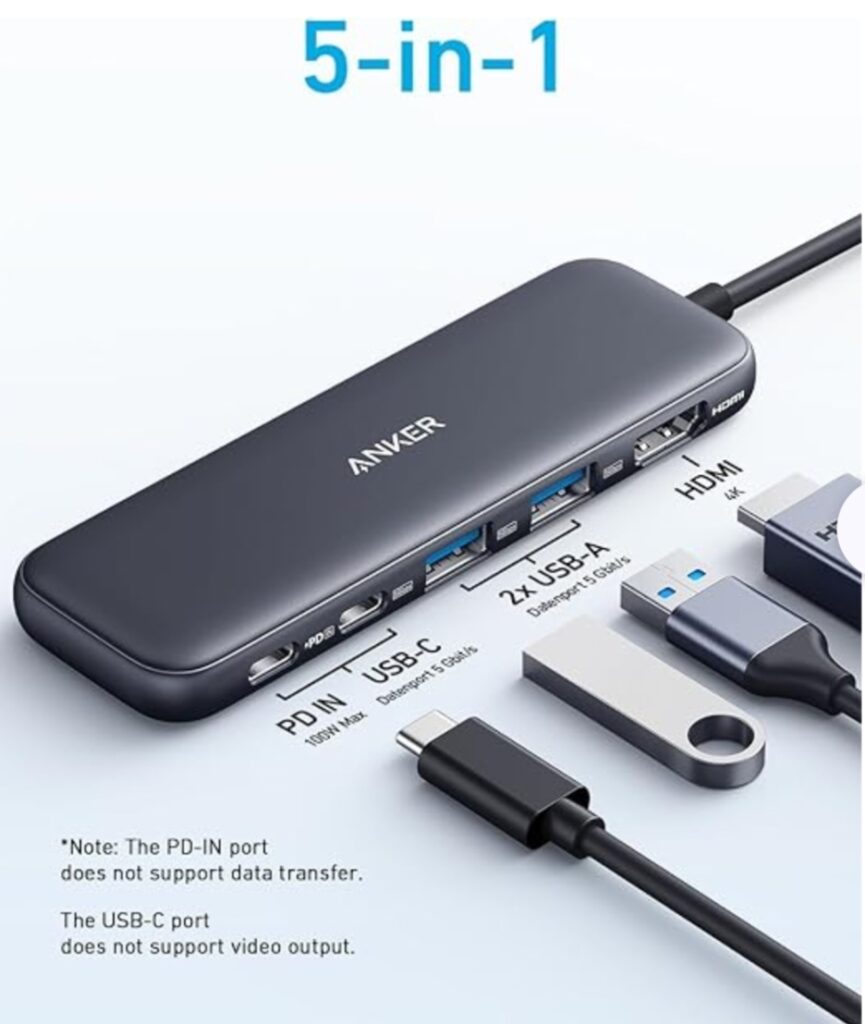
USB C Hubs are multifaceted tools that transform a single USB-C port into several: it permits the usage of flash drives, external monitors, SD cards, keyboards, mice, and Ethernet cables. Most ultrabooks, Dell XPS, and MacBook laptops have a single USB port, and these type of hubs serve as a wonderful solution for re-establishing and even augmenting the typically found interfacing options.
Modern USB C hubs, unlike simple splitters, are capable of high speed data transfers, charging devices, and 4K video output, all simultaneously done through a single connection. Due to the power delivery and data bandwidth features of USB C, these hubs are able to complete multiple tasks in parallel without lag or dip in performance.
The Significance of USB C Hubs in the Tech Industry
Based on my experience with various tech accessories over the years, a good quality USB C hub stands out as a major productivity booster. While attending a tech conference last month, my portable usb c hub helped me connect my presentation laptop to the projector, retrieve files from an external SSD, and charge my smartphone all at once. I can only imagine the hassle I would have had to deal with if I didn’t have it, considering the amount of adapters and dongles I would have had to use to make it all work.
For students working on research papers or class presentations, a hub greatly enhances the level of multitasking to an easily accessible amount: an external monitor can be connected for dual screen productivity, advanced external hard drives can be plugged in to store important files, and the laptop can still be charged at the same time.
The Most Important Parts Of A USB C Hub
In the market for a USB C hub, there is variation across features and value. Cheaper options tend to use unbranded components, which is a red flag. After reviewing many selections.
Consider these critical aspects when choosing.
- Look for USB 3.0 or 3.1 ports which allow for data transfer rates of no less than 5Gbps.
- A suitable hub will also allow for PD charging, enabling PD charging of up to 100W to allow laptop charging while peripheral devices are used.
- Make sure the hub contains an HDMI port compatible with 4K at 60 frames per second in order to participate in viewing using external displays.
- Possessing a Gigabit Ethernet port is very important for reliable internet connection, especially in places with unstable Wi-fi.
- Very helpful for photographers, video editors, and students wanting to transfer data from devices such as cameras.
The Increasing Popularity of USB C Hubs in Education and Remote Work
The supply of USB C hubs has particularly increased over the pandemic period when remote work and learning became the new norm. Online classes, research activities, and virtual meetings with professionals now require the use of multiple peripherals simultaneously.
It is my professional observation that plural low range compatibility peripherals—functioning on Windows, Mac, Linux, and even mobile devices such as Android—are becoming more popular. Such adaptable and rigid devices are now fundamental to achieving optimal efficiency in remote workstations, which is not just helpful but essential for academic and career-driven users.
Guidelines For Ensuring USB C Hub Efficiency
Based on years of personal and professional experience, here are some best practice suggestions to improve your experience with USB C hubs:
Make Use Of Quality Cables: Using high-quality cables with your hub will offer better data transfer rates and more stable connections, therefore, make sure to use the best devices available.
Keep An Eye On The Power: Your hub should be externally powered or capable of delivering sufficient power, especially when connecting multiple external drives and monitors.
Check For Compatibility Enhancements: Some high-end hubs have additional features like firmware updates to improve compatibility and performance, always refer to the manufacturer’s website for more information.
USB C Hub Technology: Innovations and Future Trends
Caution: Even though hubs are robust devices, they’re still electronic in nature. Try not to yank the cords or overtly bend the connectors as it diminishes their lifespan.
The foreseen progression of USB C hubs is promising. With the incorporation of the Thunderbolt 4 and USB4 standards, new hubs will have increased data speed (up to 40Gbps) alongside the support of multiple 4K monitors, better charging, and more. Other design innovations are creating smarter thermal management and device identification functionalities as well as lighter and more portable hubs.
Another emergent trend is the sustainability factor. The most eco-friendly USB C hubs produced from recycled materials or sustainable processes are now available and provide users with an environmentally friendly option without compromising quality.
General Queries on USB C Hubs
What devices work well with USB C ports?
Most laptops, tablets, and smartphones equipped with USB-C connectors have a USB C hub compatibility. However, if you wish to use video output and power delivery features, it’s important to check if your device is compatible.
Can I charge my laptop using a USB C hub?
If your USB C hub includes Power Delivery (PD) functionality, then yes, you can charge your hub while connecting other devices to it. Keep in mind, however, to always check the power rating to make sure it is compatible with your laptop’s charging requirements.
Is there a difference between USB C hubs and docking stations?
Both devices function the same way in terms of connectivity expansion, but docking stations are typically larger, more powerful, and designed for stationary setups while USB C hubs are smaller and more portable, fitting mobile or lightweight work environments.
Will using a USB C hub slow my device down?
No, a good-quality hub should not noticeably slow your device down. However, using several demanding peripherals on a lower-quality hub may induce some slowdowns or connectivity problems.
Are USB C hubs safe to use with any brand of laptop?
For the most part, yes. Established brands create their hubs to be compatible with all devices, but it is better to use reliable brands and pay attention to any notes regarding compatibility.
Conclusion
USB-C hubs are no longer optional features; they are imperative tools owing to the ever-evolving technological world we live in. Be it students organizing research documents, professionals dialed into video conferences, or creatives uploading images, a dependable hub simplifies connectivity and augments a user’s workflow.
From my ten years of experiential knowledge combined with market research, purchasing a quality USB C hub is one of the most beneficial technological choices one can make. With modern technology, devices are continually becoming more sleek and simplistic. Therefore, having a multi-purpose USB C hub that is equipped to handle future changes is essential for staying connected and productive during work or study sessions.