Hair loss affects millions of people, often leading to frustration and a drop in self-confidence. The good news is that hair restoration treatments today are more advanced and effective than ever before. However, with so many available options, understanding which treatment works best for your particular cause of hair loss is essential.
If you’re considering a hair transplant in Toowoomba or other hair restoration treatment, this guide will help you understand how different approaches work for various causes of hair thinning or baldness.
Understanding the Causes of Hair Loss

Common Triggers of Hair Loss
Hair loss is not always due to ageing. Several factors may contribute to thinning or balding, including:
● Genetic factors (androgenetic alopecia)
● Hormonal changes such as pregnancy, menopause, or thyroid conditions
● Nutritional deficiencies, particularly in iron, protein, or vitamin D
● Stress and trauma, both physical and emotional
● Medical conditions, such as autoimmune disorders or scalp infections
● Medications used for cancer, high blood pressure, and depression
● Hairstyling practices like tight hairstyles or chemical treatments
Because these causes vary, the most effective treatment depends on identifying the underlying issue.
Identifying Your Hair Loss Pattern
Male-pattern baldness usually begins with a receding hairline or thinning at the crown. Women may experience more diffuse thinning across the scalp. Understanding the pattern helps determine if a hair transplant or another treatment would work best. In addition to medical treatments, incorporating Hair gummies into a daily routine can provide essential vitamins and nutrients that nourish hair follicles and support stronger, healthier growth over time.
Surgical Hair Restoration Treatments
Hair Transplant in Toowoomba
A hair transplant is a well-established method used when hair loss is permanent and has stabilised. There are two main types of surgical techniques:
Follicular Unit Transplantation (FUT)
This method involves removing a strip of scalp from the donor area (usually the back of the head) and dividing it into individual grafts. These grafts are then placed into the thinning or balding areas.
Follicular Unit Extraction (FUE)
FUE involves extracting individual hair follicles directly from the donor area and implanting them one by one into the affected area. This method leaves minimal scarring and has a shorter recovery period.
Hair transplants are most effective for treating:
● Male-pattern baldness
● Bald patches due to trauma or scarring
● Women with localised thinning or patchy hair loss
Non-Surgical Hair Restoration Treatments
For people in the early stages of hair loss or those not suitable for surgery, non-surgical treatments offer alternatives.
Read Also: Do you Still Getting Scam Calls?
Platelet-Rich Plasma (PRP) Therapy
PRP involves drawing a small amount of the patient’s blood, processing it to concentrate the platelets, and then injecting it into the scalp. Platelets contain growth factors that help stimulate hair follicles and improve blood flow.
PRP can be useful for:
● Early-stage genetic hair loss
● Postpartum hair shedding
● Strengthening thinning hair
Low-Level Laser Therapy (LLLT)
This treatment uses red light to stimulate hair follicles at the cellular level. It’s non-invasive, painless, and can be used at home or in clinics.
LLLT is often used for:
● Mild genetic hair loss
● Improving scalp circulation
● Enhancing the effects of other treatments
Medications
Minoxidil (Topical)
Commonly used for both men and women, minoxidil helps prolong the growth phase of the hair cycle and slow down hair loss. It is often used as a daily scalp application.
Finasteride (Oral, for men only)
This prescription medication works by lowering levels of DHT, a hormone responsible for hair follicle shrinkage in men. It helps preserve existing hair and slow hair loss progression.
Nutritional Supplements and Scalp Care
If hair loss is related to deficiencies, nutritional supplements like iron, zinc, and biotin can help. Scalp treatments, including exfoliation and hydration, support overall scalp health, which is essential for hair regrowth.
Tailoring Treatment to the Cause
Genetic Hair Loss
Treatments like minoxidil, finasteride (for men), PRP, LLLT, and hair transplants are typically used. In more advanced cases, a hair transplant in Toowoomba is considered the most effective permanent solution.
Hormonal Hair Loss
This may require a combined approach, including hormone therapy, medications like spironolactone for women, PRP, or laser therapy. If hair loss is patchy and stable, a transplant may also be an option.
Stress-Induced Hair Loss (Telogen Effluvium)
This type of hair loss often resolves on its own once the stressor is removed. PRP and laser therapy may speed up recovery, but surgery is not usually recommended.
Autoimmune or Medical-Related Hair Loss
Alopecia areata and similar conditions are best managed with immunotherapy, corticosteroid injections, or medication. A transplant might be considered if the condition becomes stable over time.
Nutritional Deficiency
When hair loss is due to diet, improving nutrition and adding targeted supplements may resolve the issue. Hair restoration treatments should be delayed until deficiencies are corrected.
When to Consider a Hair Transplant
You Have Tried Other Treatments Without Success
If you’ve tried medications, supplements, and therapies without seeing improvement, a hair transplant in Toowoomba may be the logical next step.
Your Hair Loss Is Stable
Surgical options work best when hair loss has stabilised, ensuring that transplanted hair remains intact while surrounding areas do not continue thinning.
You Have Localised Hair Loss
Transplants are ideal for restoring hair in specific regions, such as a receding hairline or bald patch.
Choosing the Right Clinic in Toowoomba
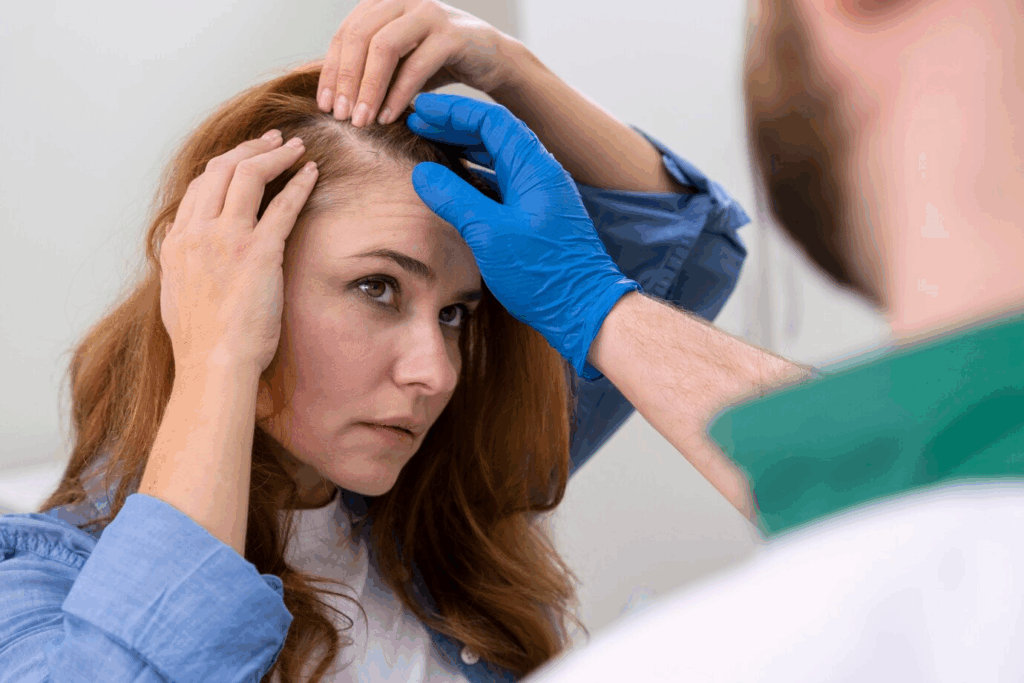
If you’re considering any form of hair restoration treatment, including surgical or non-surgical options, choosing a reputable clinic is key.
Look for:
● Clinics that offer a full range of services—not just surgery
● Professionals experienced in different causes of hair loss
● Honest consultations that help identify the root cause before recommending treatment
Conclusion
Hair loss can happen for many reasons, and the right solution depends on identifying the root cause. From non-surgical therapies like PRP and medications to surgical options like a hair transplant in Toowoomba, there are targeted treatments for each condition.
With expert guidance, a customised approach, and the right timing, hair restoration treatments can deliver natural and long-lasting results—boosting both appearance and self-confidence.