Hair loss is a common concern for many people, but when it occurs over scarred areas, it can be particularly distressing. Scarring on the scalp, face, or body not only disrupts skin texture but often prevents hair from growing through the affected area. This condition—commonly referred to as cicatricial alopecia or scarring alopecia—can result from injuries, burns, surgery, or inflammatory skin conditions.
Fortunately, advancements in medical aesthetics and hair restoration have made it possible to treat these cases effectively. In particular, FUE hair transplant in Melbourne has emerged as a popular solution for patients looking to restore natural-looking hair growth over scarred areas. In this post, we’ll explore the causes of hair loss on scars and how modern treatments—especially hair transplant for scars—can help.
Why Scars Cause Hair Loss
Hair grows from follicles located in the dermis (the middle layer of the skin). When the skin experiences trauma deep enough to damage the dermis, the body replaces the injured tissue with fibrous scar tissue rather than regenerating the original structures—including hair follicles. As a result, these areas become bald patches where hair no longer grows naturally.
Common causes of scarring that may lead to hair loss include:
Surgical Procedures
Surgical scars on the scalp, such as those from past hair transplants (especially older strip methods), tumour removals, or cranial surgeries, can leave permanent bald spots.
Accidents and Injuries
Lacerations, abrasions, or head trauma that penetrate deep into the skin can damage hair follicles and result in patchy hair loss over the scarred region.
Burns
Thermal, chemical, or radiation burns can severely damage skin and follicles, causing irreversible loss of hair in the affected areas.
Skin Conditions
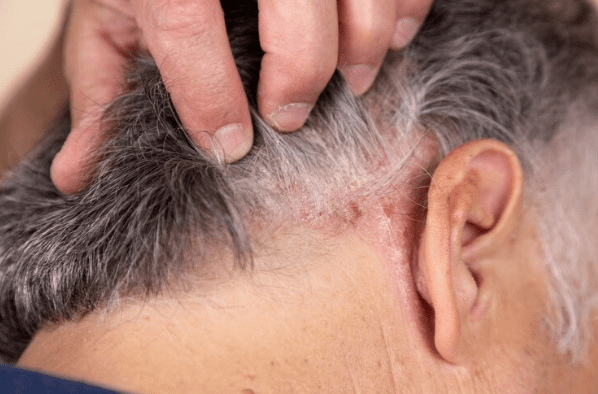
Certain inflammatory scalp conditions like lichen planopilaris, discoid lupus erythematosus, or folliculitis decalvans can cause scar tissue formation that permanently halts hair growth.
Previous Hair Restoration Techniques
Older hair transplant techniques—like punch grafting or strip harvesting—often leave visible scarring. Patients seeking refinement or camouflage of these scars frequently turn to newer methods like FUE.
Treatment Options for Hair Loss on Scars
While medications and topical treatments may help slow hair loss or improve surrounding areas, scar tissue does not typically regenerate hair follicles on its own. In most cases, surgical intervention—particularly hair transplant for scars—offers the most effective long-term solution.
Let’s look at the most recommended approaches:
FUE Hair Transplant in Melbourne
Follicular Unit Extraction (FUE) is a minimally invasive hair transplant technique where individual hair follicles are harvested from a donor area (usually the back of the scalp) and implanted into the scarred area.
Benefits of FUE for Scarred Areas:
- No Linear Scarring: Since follicles are extracted one by one, there’s no long incision or visible scar left behind.
- Precision Implantation: FUE allows for careful placement of follicles in fibrotic skin, using angles and spacing that mimic natural hair growth.
- Improved Aesthetics: It can dramatically improve the appearance of visible scalp scars by blending them into the surrounding hair.
Considerations:
- Blood flow in scarred skin is often reduced, which can affect follicle survival. This is why an experienced hair transplant surgeon is essential.
- Multiple sessions may be required depending on scar size and skin condition.
- Microneedling or PRP (Platelet-Rich Plasma) therapy may be recommended beforehand to improve blood circulation and graft acceptance.
In Melbourne, many advanced clinics offer FUE specifically tailored for scar camouflage. These specialists understand the challenges posed by scar tissue and customise each treatment plan to optimise results.
Scalp Micropigmentation (SMP)
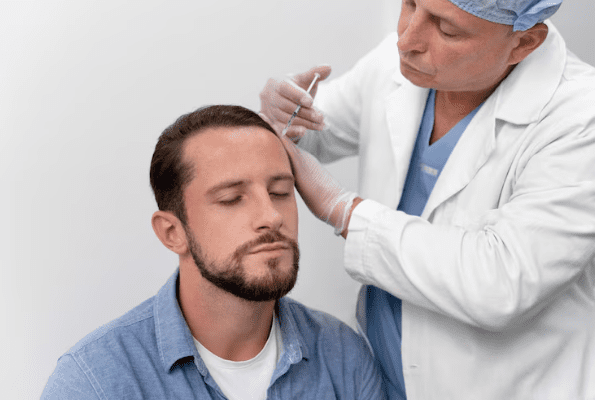
SMP involves tattooing tiny pigment dots on the scalp to replicate the appearance of shaved hair or denser follicles. It’s a non-surgical way to mask scars, especially in patients who wear their hair short.
Pros:
- Quick results with no downtime
- Useful when transplanting into a thick scar is not possible
Limitations:
- It doesn’t regrow hair
- The pigment may fade over time and require touch-ups
SMP can also be combined with a hair transplant for a fuller aesthetic effect, especially in visible areas like the hairline or crown.
Laser Resurfacing or Dermabrasion
These techniques aim to improve the texture and vascularity of the scarred skin before undergoing a transplant. By softening the scar tissue and stimulating collagen, they may increase the success of graft uptake in future procedures.
How to Know If You’re a Good Candidate
Not everyone with scarring is an ideal candidate for hair transplantation. A consultation with a qualified specialist is essential to assess:
- The depth and type of scar tissue
- Scalp elasticity and blood supply
- Donor hair availability
- Your overall health and expectations
If you’re in Victoria, many clinics offering FUE hair transplant in Melbourne provide tailored assessments and digital scalp analysis to evaluate transplant readiness.
Aftercare and Expectations
Hair transplanted into scar tissue usually grows more slowly than in healthy skin, and results may take up to 12–18 months to fully mature. Post-treatment care is essential for graft survival, including:
- Avoiding trauma or pressure to the treated area
- Using prescribed medications or PRP to support healing
- Following clinic recommendations for washing, sun protection, and follow-up
With proper care and expert guidance, hair transplant for scars can offer highly satisfying and permanent results.
Conclusion
Hair loss on scars can be a constant reminder of past trauma or surgery, but it doesn’t have to be permanent. Thanks to advancements in FUE hair transplant in Melbourne, many people can now restore natural-looking hair over previously bald, scarred areas. When performed by an experienced specialist, this technique can offer life-changing results—both aesthetically and emotionally.
If you’re living with visible scarring and want to explore your options, consult a Melbourne clinic that specialises in scar restoration. Whether through FUE, SMP, or a combination approach, help is available to bring back your confidence one follicle at a time.