Advances in ophthalmology have made it possible to manage complex corneal conditions with greater accuracy and safety. Two procedures often discussed together are laser eye surgery and corneal cross linking. While they serve different purposes, they can complement each other when carefully planned. In South Australia, laser eye surgery in Adelaide is sometimes considered alongside cross linking eye surgery to support vision stability and long-term eye health. Understanding how these procedures work together helps patients set realistic expectations and make informed decisions about their care.
Understanding Corneal Conditions
The Role of the Cornea in Vision
The cornea is the clear, curved front surface of the eye that helps focus light onto the retina. Its shape and strength are essential for clear vision. Any weakening or irregularity in the cornea can lead to blurred or distorted sight.
Conditions That Affect Corneal Strength
Some eye conditions, such as keratoconus, cause the cornea to thin and bulge forward. This leads to increasing astigmatism, poor visual clarity, and sensitivity to light. In these cases, stabilising the cornea becomes a priority before considering vision correction.
What Is Cross Linking Eye Surgery
Purpose of Cross Linking
Cross linking eye surgery is designed to strengthen the cornea. It works by increasing the bonds between collagen fibres within the corneal tissue. This helps halt or slow the progression of corneal thinning and distortion.
How the Procedure Works
The procedure typically involves:
- Applying riboflavin (vitamin B2) eye drops to the cornea
- Activating the drops with controlled ultraviolet light
- Allowing the cornea to absorb the treatment and strengthen over time
Cross linking does not aim to correct vision directly. Its main goal is to stabilise the cornea and prevent further deterioration.
Who May Benefit
Patients with progressive keratoconus or other corneal weakening conditions are commonly advised to consider cross linking eye surgery to preserve long-term vision.
Overview of Laser Eye Surgery
What Laser Eye Surgery Does
Laser eye surgery reshapes the cornea to correct refractive errors such as short-sightedness, long-sightedness, and astigmatism. By altering how light enters the eye, it improves focus and visual clarity.
Common Aims of Laser Surgery
- Reduce dependence on glasses or contact lenses
- Improve clarity of vision
- Enhance day-to-day visual function
In Adelaide, laser eye surgery is performed using advanced imaging and precision-guided technology to improve safety and accuracy.
How Laser Surgery Supports Cross Linking Outcomes
Vision Improvement After Stabilisation
Cross linking eye surgery focuses on stopping disease progression rather than improving vision. Once the cornea is stable, laser eye surgery may be considered to refine vision where appropriate. This staged approach helps protect long-term outcomes.
Correcting Residual Refractive Errors
After cross linking, patients may still experience irregular astigmatism or blurred vision. Laser eye surgery in Adelaide can help address some of these residual refractive issues, depending on corneal thickness and stability.
Supporting Functional Vision
By improving how light is focused, laser surgery can support better functional vision following corneal stabilisation. This can make daily tasks such as reading, driving, and computer use more comfortable.
Careful Assessment and Planning
Importance of Detailed Eye Testing
Before combining laser eye surgery with cross linking eye surgery, thorough assessments are essential. These include:
- Corneal thickness measurements
- Topography to map corneal shape
- Stability checks over time
This ensures that the cornea is strong enough and no longer progressing before laser treatment is considered.
Timing Between Procedures
Laser surgery is not usually performed immediately after cross linking. The cornea needs time to stabilise, which can take several months. This waiting period allows clinicians to assess how the eye responds before planning further treatment.
Individualised Treatment Decisions
Not all patients are suitable for laser eye surgery after cross linking. Decisions are based on corneal health, visual goals, and overall eye condition. Personalised planning helps protect long-term eye safety.
Safety and Outcome Considerations
Protecting Corneal Strength
One of the main concerns when combining treatments is maintaining corneal integrity. Cross linking provides added strength, which can support safer laser reshaping in carefully selected cases.
Managing Expectations
Laser surgery following cross linking may improve vision, but it may not provide the same level of correction as in eyes without corneal conditions. Patients are guided to understand likely outcomes and limitations.
Ongoing Monitoring
Regular follow-up appointments are essential to monitor corneal health, vision stability, and healing. This long-term care approach supports lasting results.
Benefits of Combining These Approaches
Reduced Disease Progression
Cross linking eye surgery helps prevent further corneal weakening, which is critical for preserving vision over time.
Improved Visual Quality
When appropriate, laser eye surgery in Adelaide can enhance visual clarity once the cornea is stable, reducing reliance on corrective lenses.
Comprehensive Eye Care
Using both procedures as part of a broader treatment plan allows clinicians to address both structural stability and visual function.
Greater Confidence in Daily Life
Better visual control and stability can improve confidence in work, driving, and social activities.
Choosing an Eye Clinic in Adelaide
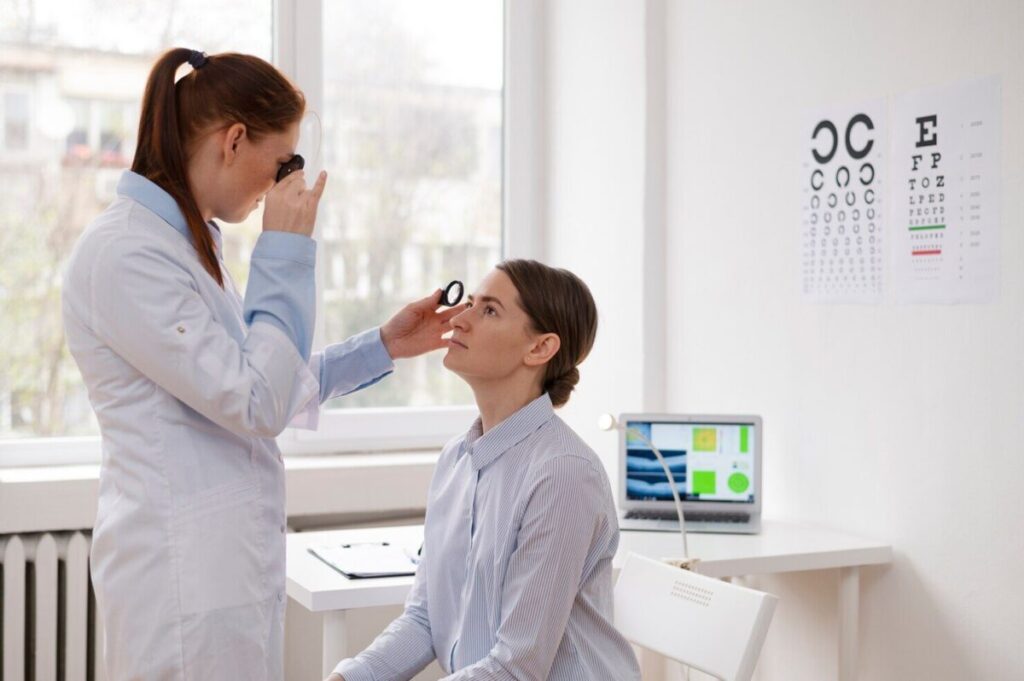
Experience With Corneal Conditions
Patients should seek clinics experienced in managing corneal disorders and performing both laser eye surgery and cross linking eye surgery.
Advanced Diagnostic Technology
Clinics equipped with modern imaging and assessment tools can provide more accurate evaluations and safer treatment planning.
Patient Education and Support
Clear communication, detailed consultations, and ongoing follow-up care help patients feel informed and supported throughout their treatment journey.
Long-Term Eye Health
Regular Eye Examinations
Even after treatment, ongoing eye checks are important to monitor corneal stability and overall eye health.
Lifestyle and Eye Care
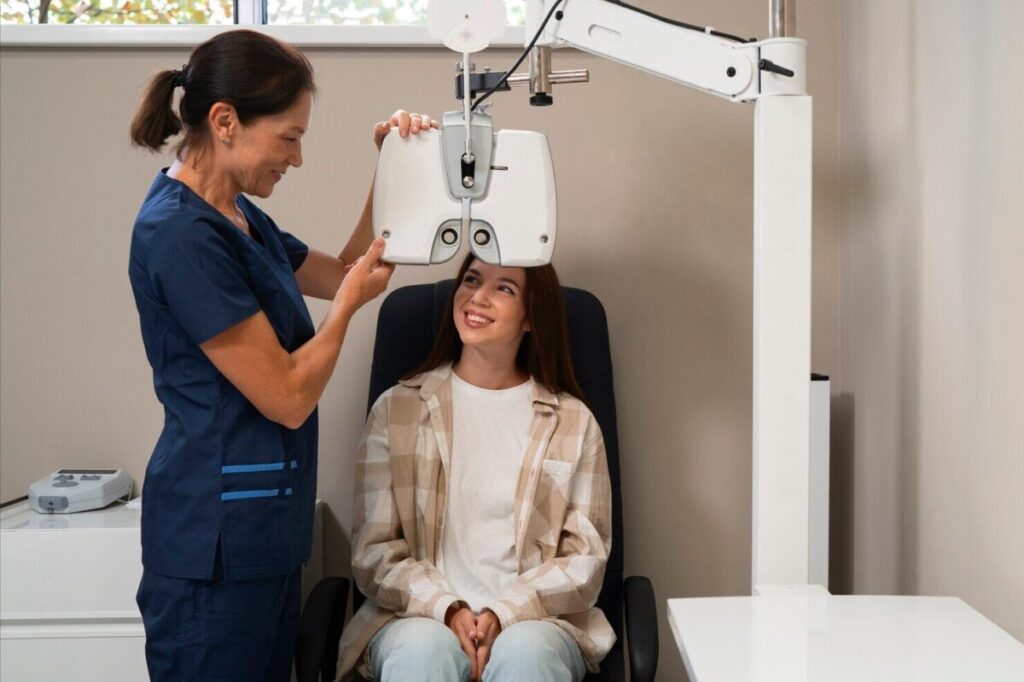
Protecting the eyes from excessive rubbing, managing allergies, and following professional advice supports long-term outcomes.
Adjusting Vision Support
Some patients may still require glasses or contact lenses for specific tasks. This is part of maintaining realistic and healthy expectations.
Final Thoughts
Combining cross linking eye surgery with laser eye surgery in Adelaide offers a structured approach to managing corneal conditions and supporting visual outcomes. Cross linking focuses on stabilising the cornea and protecting long-term eye health, while laser surgery may help refine vision once stability is achieved. Through careful assessment, personalised planning, and ongoing monitoring, these procedures can work together to support clearer vision, improved daily function, and lasting eye health.