Cataracts and astigmatism are common eye conditions that can significantly impact vision and quality of life. While cataracts cause clouding of the eye’s natural lens, astigmatism results from an irregularly shaped cornea or lens that distorts vision. Modern cataract surgery in Sydney not only removes the cloudy lens but can also be tailored to address astigmatism, improving visual outcomes and reducing reliance on corrective lenses. Understanding how cataract surgery interacts with astigmatism treatment helps patients make informed decisions about eye care.
Understanding Cataracts and Astigmatism
What Cataracts Are
Cataracts develop when the natural lens of the eye becomes cloudy, leading to:
Cataracts typically progress gradually and are more common with age, though other factors like diabetes or eye injuries can contribute.
What Astigmatism Is
Astigmatism occurs when the cornea or lens is irregularly shaped, causing light to focus unevenly on the retina. This leads to:

- Blurred or distorted vision at all distances
- Eye strain or headaches
- Difficulty with night driving or reading
Combining cataract and astigmatism correction during surgery can address both issues simultaneously.
How Cataract Surgery Addresses Vision Needs
Traditional Cataract Surgery
During cataract surgery, the cloudy lens is removed and replaced with an artificial intraocular lens (IOL). This restores clarity and improves vision quality.
Advances in Lens Technology
Modern IOLs can be customised to correct not only cataracts but also refractive errors such as astigmatism. Toric IOLs are specifically designed to counteract astigmatic irregularities.
Surgical Precision
State-of-the-art imaging and surgical techniques in Sydney clinics allow precise measurements of corneal curvature and eye structure. This ensures accurate lens placement and optimal visual outcomes.
Combining Cataract Surgery with Astigmatism Treatment
Toric Intraocular Lenses (IOLs)
Toric IOLs have different powers in specific meridians to correct corneal irregularities. When implanted during cataract surgery, they reduce or eliminate pre-existing astigmatism.
Limbal Relaxing Incisions (LRI)
In some cases, surgeons make small incisions at precise locations on the cornea during cataract surgery to alter its shape, helping correct mild astigmatism alongside lens replacement.
Pre-Operative Assessment
Detailed eye examinations, corneal mapping, and biometric measurements help determine the type of IOL or additional corneal procedures needed to optimise results.
Benefits of Combining Treatments
Improved Visual Clarity
Addressing both cataracts and astigmatism in one procedure often results in sharper, more natural vision at multiple distances.
Reduced Dependence on Glasses
Patients may experience less need for prescription glasses or contact lenses after surgery, improving convenience and quality of life.
Faster Recovery and Convenience
Combining procedures avoids the need for separate surgeries, reducing overall recovery time and exposure to surgical risks.
Long-Term Visual Stability
Correcting astigmatism during cataract surgery can provide sustained visual improvement, reducing the likelihood of future corrective procedures.
What to Expect During Surgery
Consultation and Planning
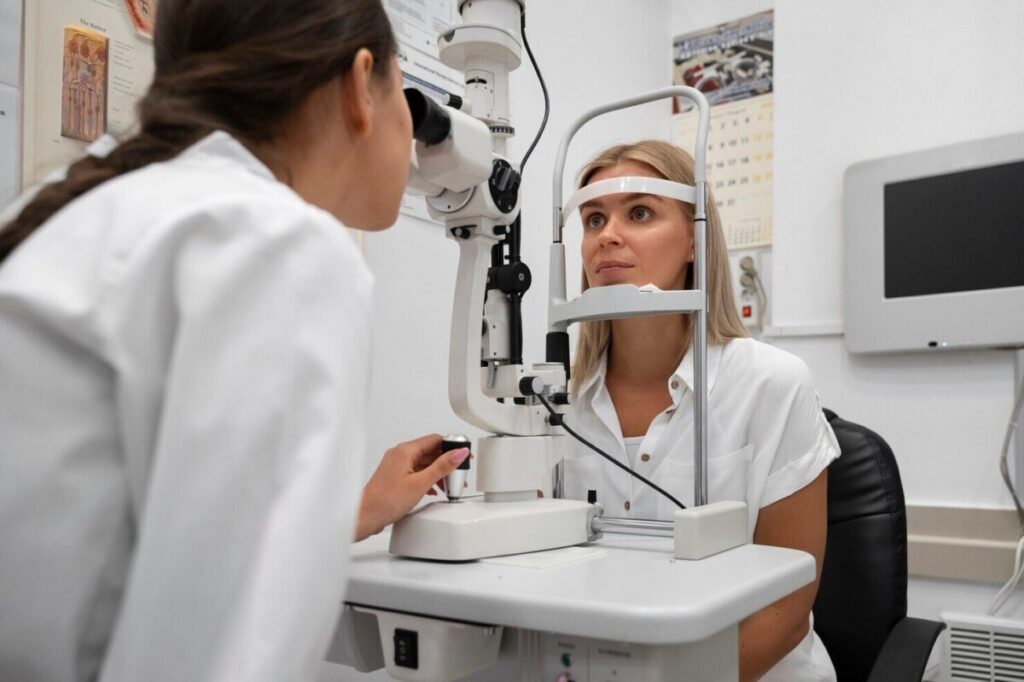
Patients meet with an ophthalmologist to discuss vision goals, medical history, and suitability for toric lenses or additional corneal interventions.
Procedure Overview
Cataract surgery typically involves:
- Local anaesthetic eye drops
- Removal of the cloudy lens using phacoemulsification (ultrasound-assisted lens breakdown)
- Implantation of a customised IOL to correct cataracts and astigmatism
Recovery and Aftercare
- Most patients experience mild discomfort, with vision improvement noticeable within a few days
- Eye drops are used to prevent infection and inflammation
- Follow-up visits monitor healing and ensure optimal lens positioning
Choosing a Clinic in Sydney
Experience with Combined Procedures
Selecting a clinic experienced in cataract surgery in Sydney and astigmatism correction ensures accurate assessment, lens selection, and surgical expertise.
Advanced Technology
Modern diagnostic tools, imaging systems, and precision surgical equipment contribute to better outcomes and reduced complications.
Patient-Centred Care
Clinics that provide thorough consultation, personalised care plans, and post-operative support help patients achieve optimal vision and comfort.
Long-Term Considerations
Monitoring Eye Health
Regular eye examinations help detect any changes in vision or lens position, ensuring long-term success of the procedure.
Lifestyle Adaptations
Patients may need to avoid certain activities immediately after surgery, such as heavy lifting or swimming, to allow proper healing.
Managing Expectations
While cataract surgery combined with astigmatism correction can significantly improve vision, some patients may still require minor visual aids for specific tasks.
Final Thoughts
Modern cataract surgery in Sydney offers more than just clouded lens removal. By integrating astigmatism treatment in Sydney, patients can achieve sharper, more stable vision with reduced reliance on glasses. With careful pre-operative assessment, personalised lens selection, and precise surgical techniques, combining cataract and astigmatism correction supports both functional and long-term visual outcomes. This approach allows patients to enjoy clearer vision, improved daily functioning, and enhanced quality of life.