Creating a skin care routine that addresses both acne and ageing can feel challenging. Acne often requires ingredients that reduce oil, unclog pores, and prevent breakouts, while ageing skin products focus on hydration, firmness, and supporting collagen. When used together in the right way, these products can complement each other and support healthier, clearer, and more youthful-looking skin. Understanding how to balance treatments, avoid irritation, and introduce products gradually is essential for achieving results safely and effectively.
Understanding the Needs of Acne-Prone and Ageing Skin
Acne-prone skin often struggles with clogged pores, inflammation, and excess sebum. Ageing skin, on the other hand, typically experiences dryness, reduced elasticity, fine lines, and a weaker skin barrier. When these concerns overlap, the skin requires a routine that controls breakouts while maintaining hydration and improving firmness.
Why Both Concerns Can Happen Together
Many adults experience acne well into their thirties, forties, and beyond. Factors such as stress, hormones, incorrect product use, and environmental exposure can contribute. At the same time, natural ageing reduces collagen, slows skin renewal, and affects moisture levels.
Goals for a Combined Routine
- Keep pores clear
- Calm inflammation
- Support collagen production
- Maintain hydration
- Protect skin from environmental stress
- Reduce sensitivity from active ingredients
Balancing these goals requires choosing products that work together without overwhelming the skin.
Choosing the Right Cleanse
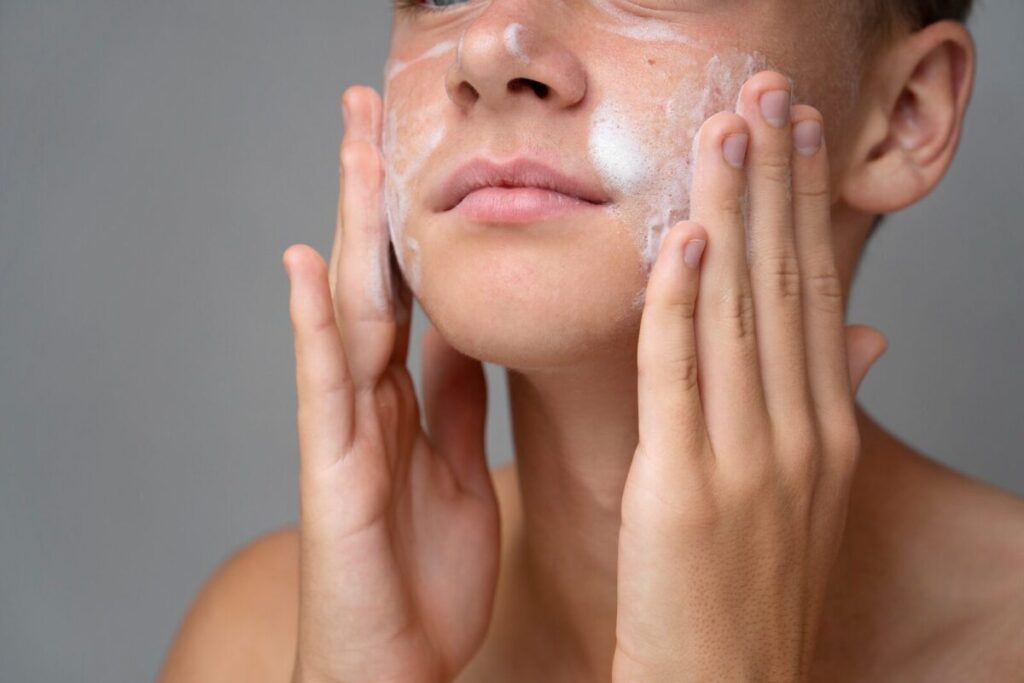
A suitable cleanser sets the foundation for any routine. It should remove dirt and excess oil while protecting the skin barrier.
Cleansers for Acne-Prone Skin
Gel-based or foam cleansers with gentle exfoliating acids can support clearer pores. Ingredients such as salicylic acid help manage congestion without excessive scrubbing.
Cleansers for Ageing Skin Concerns
Ageing skin benefits from hydrating cleansers that soothe and prevent dryness. Creamy or milky cleansers help maintain moisture during cleansing.
Balancing Both Needs
Look for a gentle, pH-balanced cleanser that cleans effectively without stripping the skin. Using a harsh cleanser can worsen breakouts and exaggerate fine lines, so balance is key.
Using Actives for Acne Treatment
Actives are essential for keeping acne under control. However, they must be used carefully when also incorporating products for ageing skin.
Common Acne-Focused Ingredients
- Salicylic acid
- Benzoyl peroxide
- Azelaic acid
- Niacinamide
These ingredients help reduce breakouts, refine pores, and calm redness.
Introducing Acne Products Slowly
Since ageing skin can be more sensitive, it’s best to start slowly. Begin by using acne products two to three times a week and increase frequency as tolerated.
Incorporating Ageing Skin Products
Ageing skin products aim to improve texture, firmness, and hydration. They often contain ingredients that support collagen and moisture.
Key Ingredients for Ageing Skin
- Hyaluronic acid
- Peptides
- Ceramides
- Retinol
- Vitamin C
These ingredients help replenish hydration, brighten skin tone, and support long-term skin resilience.
Why Hydration Matters
Many acne treatments are drying. By pairing acne products with hydrating ageing products, the skin stays balanced and less reactive. Hydration also helps maintain a healthy barrier, improving tolerance to active ingredients.
Combining Retinol With Acne Treatments
Retinol is well known for its anti-ageing effects, and it also supports acne-prone skin by helping with cell turnover. However, it must be used with care.
Benefits of Retinol
- Smooths texture
- Supports collagen production
- Helps reduce clogged pores
- Improves uneven skin tone
How to Use Retinol Safely
- Start with a low-strength formula
- Apply only two to three nights per week initially
- Avoid using retinol on the same night as strong acne treatments
- Pair with a nourishing moisturiser
Alternating active ingredients can prevent irritation and improve long-term results.
Layering Products in the Correct Order
Applying products in the right order ensures they work well together.
Suggested Routine Layout
Morning:
- Gentle cleanser
- Vitamin C or niacinamide serum
- Lightweight moisturiser
- Sunscreen
Evening:
- Cleanser
- Acne treatment (on targeted nights)
- Retinol or ageing product (on alternate nights)
- Hydrating moisturiser
This rotation allows both acne and ageing concerns to be managed without overwhelming the skin.
Moisturising to Support Both Skin Concerns
Moisturising is essential in a combined routine. Even oily or acne-prone skin needs hydration to maintain balance and reduce irritation.
Moisturisers for Acne-Prone Skin
Choose non-comedogenic, lightweight moisturisers, such as:
- Gel creams
- Water-based lotions
- Oil-free formulas
Moisturisers for Ageing Skin
Those concerned about fine lines may benefit from richer options, such as:
- Creams with ceramides
- Moisturisers containing peptides
- Hyaluronic acid-based formulas
Finding a Middle Ground
A lightweight, hydrating moisturiser with barrier-supporting ingredients often works well for both concerns.
Using Sunscreen Every Day
Sunscreen is essential when using both acne and ageing products, as many active ingredients increase sun sensitivity.
Choosing Sunscreen for Acne-Prone Skin
Look for sunscreens that are:
- Non-comedogenic
- Lightweight
- Gel or fluid-based
Why Sunscreen Matters for Ageing
Daily protection helps prevent fine lines, uneven skin tone, and long-term damage.
Consistent use ensures active ingredients work effectively without increasing the risk of sensitivity.
Avoiding Ingredient Conflicts
Some ingredients do not work well together and can cause irritation if layered incorrectly.
Combinations to Avoid
- Retinol with strong exfoliating acids
- Benzoyl peroxide layered directly over retinol
- Multiple exfoliants used on the same day
Spacing out active ingredients prevents irritation and keeps the routine manageable and effective.
Tracking Skin Response
Every skin type reacts differently. Monitoring changes helps identify which products help and which may need adjustment.
Signs the Routine Is Working
- Fewer breakouts
- Improved texture
- More even tone
- Less dryness or irritation
Signs You May Need Changes
- Persistent redness
- Stinging or burning
- Increased breakouts
- Tightness or flaking
Adjusting product frequency or switching to gentler formulations may help.
Final Thought
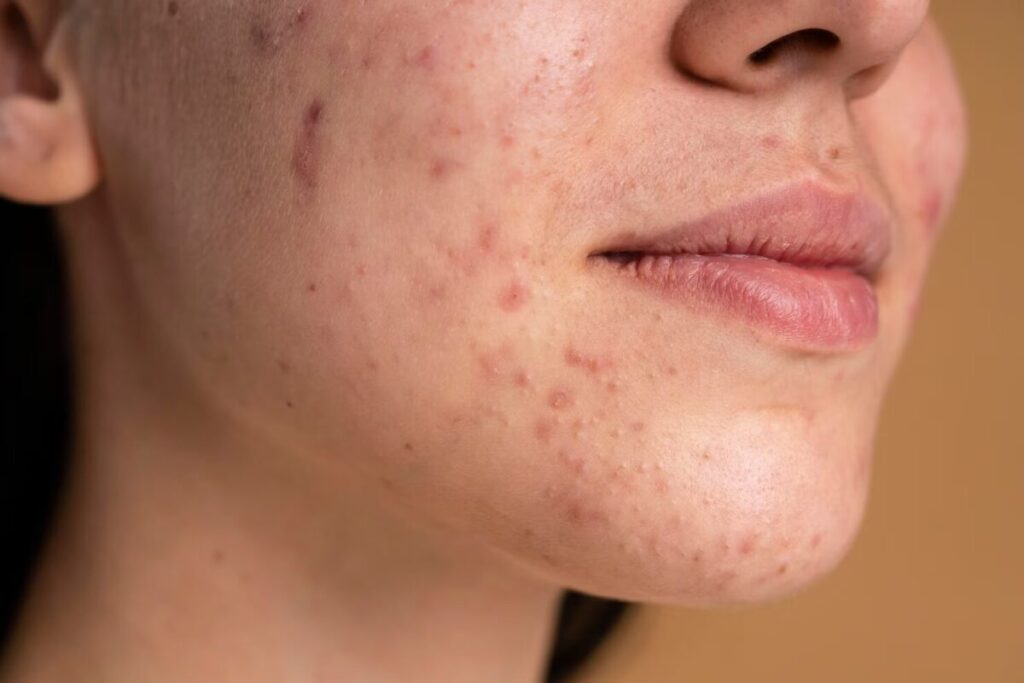
Building a routine that supports both acne treatment and the use of ageing skin products is achievable with the right approach. The key is balancing active ingredients, maintaining hydration, and introducing products gradually. Gentle cleansing, consistent moisturising, and daily sun protection form the core of an effective routine, while targeted treatments for acne and ageing concerns can be layered thoughtfully.
By understanding how to combine ingredients safely and paying attention to the skin’s response, individuals can manage breakouts while supporting long-term skin health. With a well-planned routine, it’s possible to enjoy clearer, smoother, and more resilient skin over time.