A truly great kitchen knife is more than just a tool; it’s an extension of the chef’s hand, a partner in the culinary arts. The secret to its performance lies not just in its balance or the comfort of its handle, but deep within its very composition—the metal of the blade. The choice of steel is a narrative of fire, pressure, and chemistry, determining everything from the keenness of the edge to its resilience over years of use. For any chef or home cook in the UK, understanding these materials is the first step toward choosing the perfect kitchen knife.
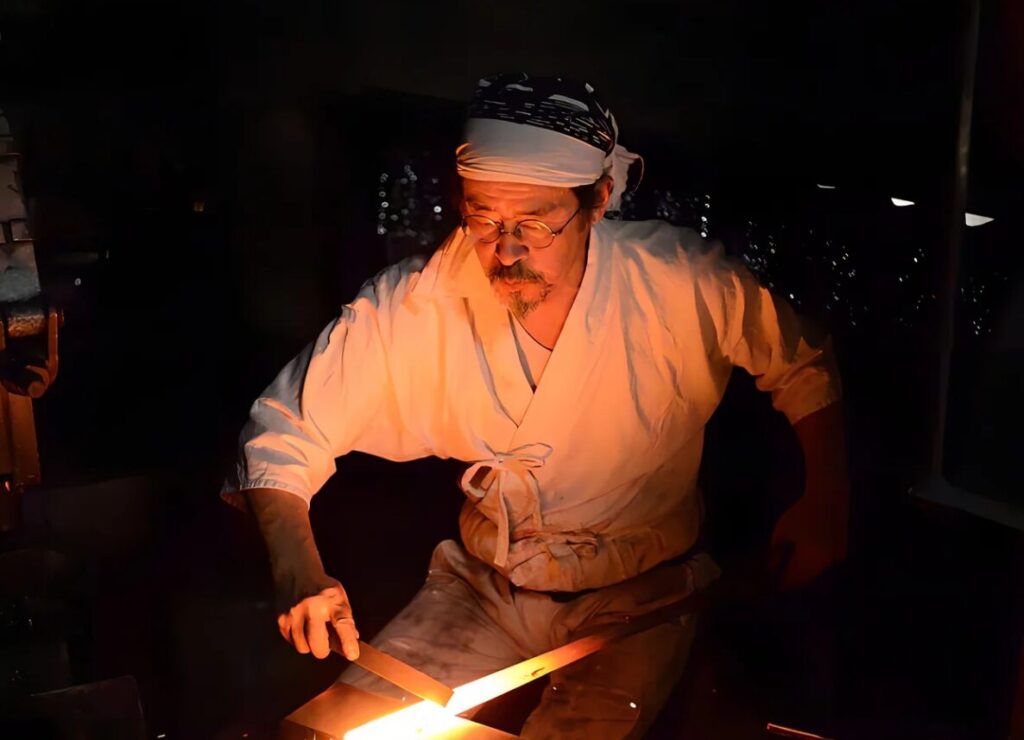
Selecting the right knife often feels like navigating a complex world of arcane terminology. Words like “Rockwell hardness,” “edge retention,” and “corrosion resistance” are thrown around, but what do they truly mean for your daily cooking? This guide will demystify the science behind the steel. We will explore the properties of the most common metals used in kitchen knives, from traditional carbon steel to modern high-carbon stainless steels and the intricate beauty of Damascus steel. By the end, you’ll have the knowledge to select not just a good knife, but the right knife for your kitchen.
The Heart of the Blade: Metals Used in Kitchen Knives
The soul of a knife is its blade, and the soul of the blade is its steel. Each type of metal offers a unique combination of characteristics, born from its specific alloy composition and the masterful heat treatment it undergoes.
Carbon Steel
For centuries, carbon steel was the undisputed king of the kitchen. It is an alloy of iron and a small amount of carbon (typically up to 2.1% by weight). Its simplicity is its strength. Knives forged from carbon steel can achieve a terrifyingly sharp edge and are relatively easy to resharpen. This is why many traditional Japanese knives, like those from Sakuto Knives, and classic European blades are crafted from it.
However, this purity comes at a cost. Carbon steel is highly reactive and susceptible to rust and discoloration if not meticulously cared for. It demands respect—requiring immediate washing, drying, and occasional oiling. A patina, a dark, non-damaging layer of oxidation, will form over time, telling the story of every meal it has helped create.
Stainless Steel
The invention of stainless steel revolutionized countless industries, including cutlery. By adding a minimum of 10.5% chromium to the steel alloy, manufacturers created a metal that is highly resistant to rust and corrosion. This makes stainless steel knives wonderfully low-maintenance, perfect for the bustling environment of a modern kitchen.
The trade-off has traditionally been in performance. Early stainless steels were softer than their carbon counterparts, meaning they couldn’t hold a razor-sharp edge for as long and were often more difficult to sharpen. While modern advancements have narrowed this gap considerably, the finest edge retention is still found elsewhere.
High-Carbon Stainless Steel
This metal represents the best of both worlds—a masterful fusion of the low-maintenance properties of stainless steel with the superior performance of high-carbon steel. By carefully balancing the carbon content for hardness and the chromium content for corrosion resistance, forgers create a blade that is durable, holds an excellent edge, and is resistant to rust.
High-carbon stainless steel has become the dominant material for premium kitchen knives globally, used by renowned German and Japanese knifemakers. It offers a fantastic balance for both professional chefs and passionate home cooks who demand performance without the rigorous maintenance of pure carbon steel. It is the workhorse of the modern kitchen.
Damascus Steel
Instantly recognizable by the mesmerizing, wavy patterns on its surface, Damascus steel is a testament to the artistry of bladesmithing. Historically, it referred to a specific type of steel from the Near East, but today the term describes blades made by forge-welding multiple layers of different steels (often a combination of high-carbon and softer stainless steels) together.
The resulting blade is not only stunning but also functional. The hard, high-carbon core provides a superb cutting edge, while the softer, layered steel on the exterior adds resilience and stain resistance. A Damascus steel chef knife is a piece of art, a symbol of heritage and masterful craftsmanship that delivers exceptional performance.
Comparing the Metals: Pros and Cons
Metal Type
Pros
Cons
Best For
Carbon Steel
– Exceptionally sharp edge
– Easy to resharpen
– Develops a unique patina
– Prone to rust and stains
– Requires high maintenance
The purist chef who prioritizes sharpness above all.
Stainless Steel
– Highly resistant to rust
– Low maintenance
– Very durable
– Can be difficult to sharpen
– Loses its edge faster
Busy kitchens and cooks who value convenience.
High-Carbon Stainless Steel
– Excellent edge retention
– Good sharpness
– Stain and rust-resistant
– Can be more brittle
– Higher cost
The all-rounder; perfect for most chefs and home cooks.
Damascus Steel
– Stunning aesthetics
– Excellent cutting performance
– Combination of hardness & durability
– Very high cost
– Pattern is primarily decorative
The connoisseur who wants a functional work of art.
Key Factors When Choosing a Knife Metal
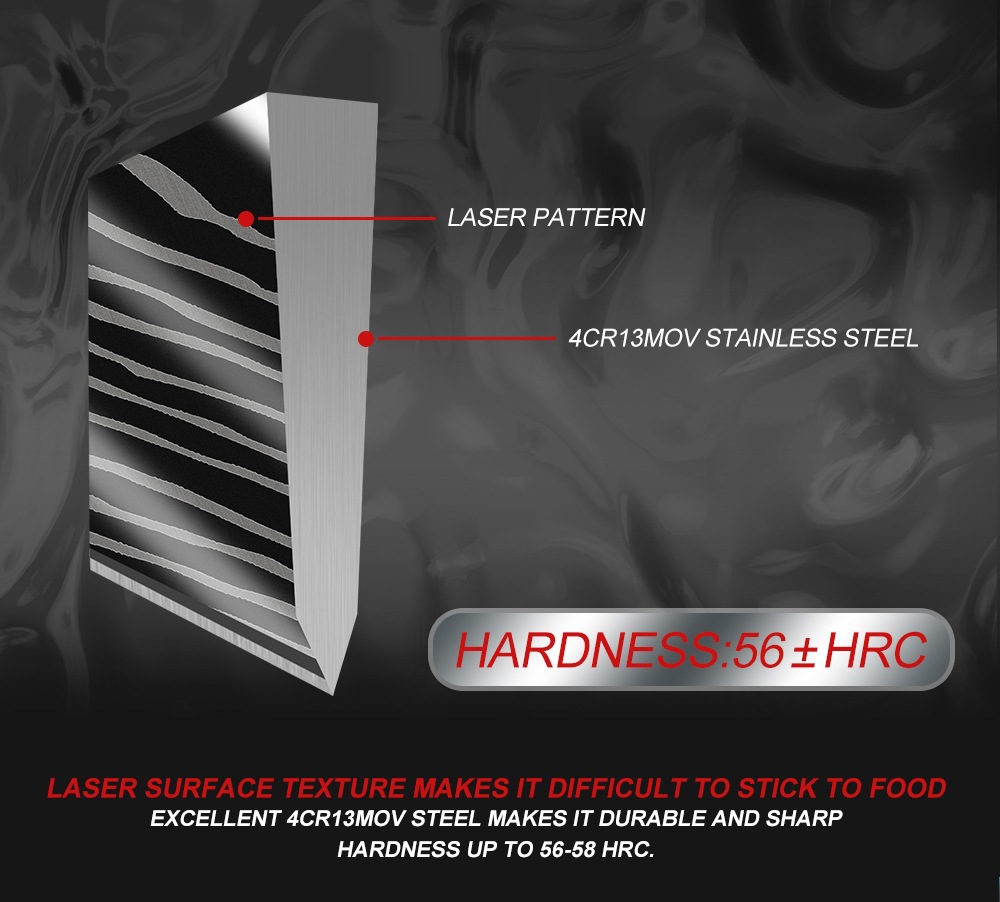
To select the best knife, it’s essential to understand the technical attributes that define a blade’s performance.
- Hardness (Rockwell Scale):Hardness, measured on the Rockwell HRC scale, indicates a blade’s ability to resist deformation. Harder steel (typically 58-64 HRC) can hold a very fine, sharp edge for a long time. However, extreme hardness can also lead to brittleness, making the blade more prone to chipping.
- Corrosion Resistance:This refers to the steel’s ability to resist rust and discoloration when exposed to moisture and acidic foods. Stainless steels excel here due to their high chromium content.
- Edge Retention:This is a measure of how long a blade will stay sharp with regular use. It’s closely linked to hardness and the specific carbide structure within the steel.
- Ease of Sharpening:Softer steels are generally easier to sharpen, while harder, more wear-resistant steels can be a challenge and may require specialized sharpening stones.
The Right Metal for the Right Job
Different tasks in the kitchen demand different types of knives, and thus, different metals.
- Chef Knife:As the most-used knife in the kitchen, a chef knife benefits from a high-carbon stainless steel. This provides the ideal balance of sharpness, edge retention, and durability for chopping, slicing, and dicing a wide variety of ingredients.
- Paring Knife:For delicate tasks like peeling and coring, a simple stainless steel or a high-carbon stainless steel is excellent. Ease of handling and corrosion resistance are key.
- Bread Knife:A serrated bread knife is almost always made from stainless steel. The serrated edge does most of the work, so extreme sharpness is less critical than durability and rust resistance.
- Specialized Knives (e.g., Boning, Fillet):These knives need some flexibility. Softer stainless steels or specific carbon steel alloys are often used to allow the blade to bend without breaking.
Leading Knife Brands in the UK Market
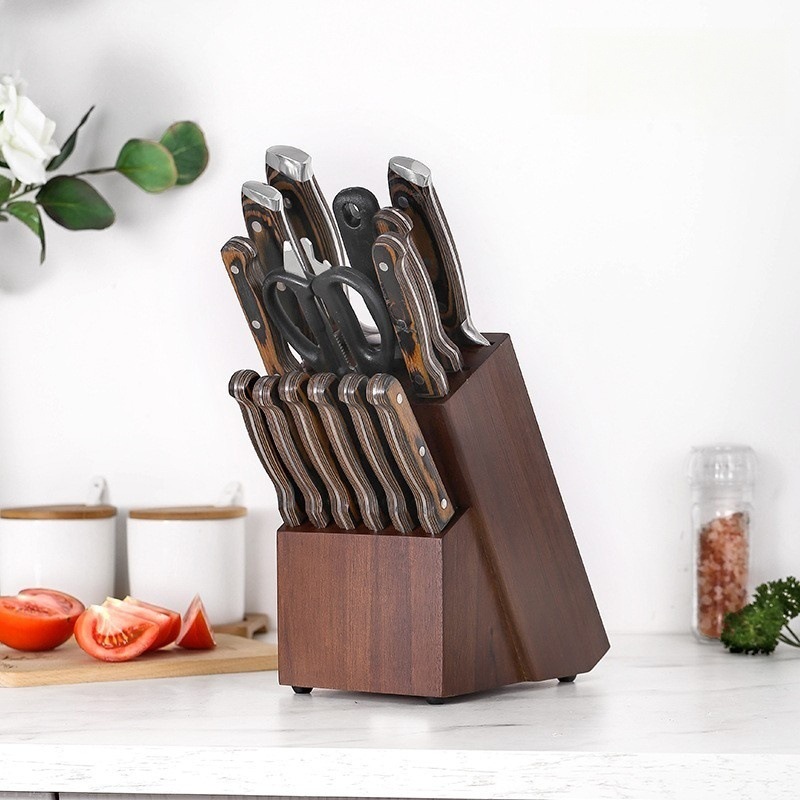
In the UK, cooks have access to some of the world’s finest knife brands, each known for their mastery of steel.
- German Brands (Wüsthof, Zwilling J.A. Henckels):These manufacturers are famed for their incredibly durable high-carbon stainless steel knives. Their blades are robust, reliable, and designed to last a lifetime.
- Japanese Brands (Shun, Global, Sakuto Knives):Japanese artisans are masters of hard, sharp steel. They often use very hard high-carbon stainless steels (like VG-MAX) and traditional carbon steels, resulting in blades with exceptional sharpness and precision.
- UK-Based Brands (Taylor’s Eye Witness, Samuel Staniforth):Sheffield, England, has a long and storied history of cutlery production. These brands continue that legacy, often producing excellent value-for-money kitchen knives UK cooks can rely on.
The Final Cut
Choosing the best metal for a kitchen knife is a personal journey, a balancing act between performance, maintenance, and budget. There is no single “best” metal, only the best metal for you.
For most home cooks and professionals in the UK, a high-carbon stainless steel offers the ultimate compromise. It delivers the sharp, lasting edge needed for precise culinary work without demanding the rigorous, almost ritualistic care of traditional carbon steel. A high-quality knife set made from this material will serve you faithfully for decades.
If you are a culinary purist who finds joy in the maintenance of your tools, the unparalleled sharpness of a carbon steel blade may call to you. And if you seek a piece that marries form and function, a beautifully patterned Damascus steel knife can be a source of lifelong pride.
Ultimately, the best knife is one that feels right in your hand and empowers you to create with confidence. Take this knowledge, consider what you value most in a blade, and invest in a tool that will bring you joy every time you step into the kitchen.