Global collaboration is no longer a futuristic concept – it’s the new normal. Teams today are spread across continents, working across time zones, languages, and cultures. Yet they’re expected to deliver with the same speed, precision, and cohesion as if they shared a single office.
The challenge is not only technical but deeply human. How do you build trust among people who rarely meet in person? How do you manage time when “the end of the day” looks different in every region? The answer lies in balance – between culture and technology, autonomy and structure, communication and clarity.
The Shift Toward Global Collaboration
The modern project team might include designers in London, developers in Bangalore, and clients in Toronto – all connected by screens, not hallways. This diversity fuels creativity, but it also introduces friction. Misunderstandings can multiply when messages cross cultures and time zones.
That’s why many leaders are rethinking how they manage projects globally. It’s no longer about control or constant check-ins; it’s about visibility and alignment. Everyone, regardless of location, should see the same information and understand how their contribution fits the larger picture.
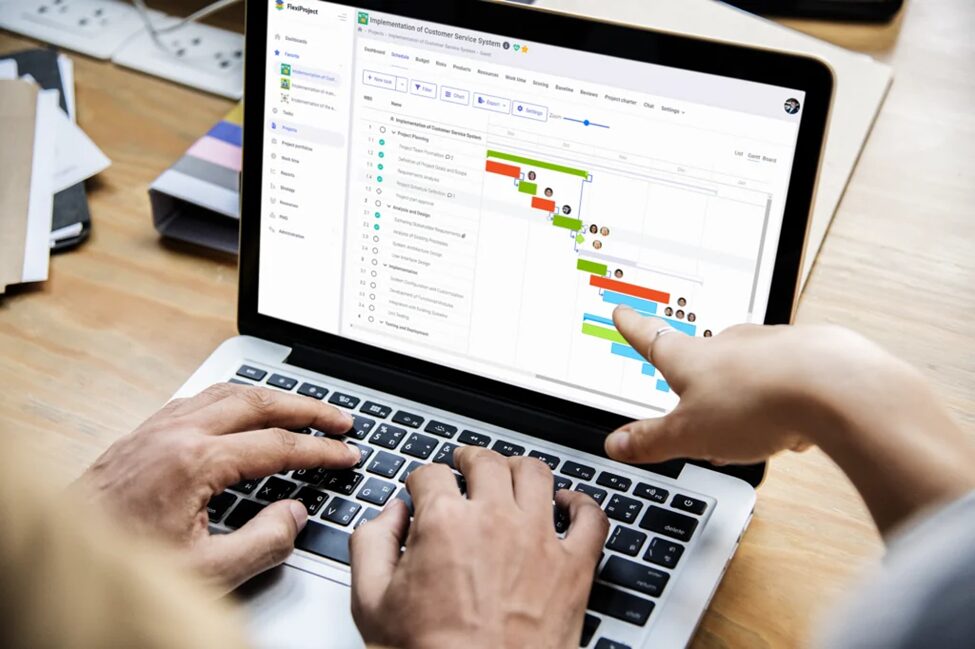
Digital platforms are central to this transformation. Systems like FlexiProject project management software provide one shared space where teams track tasks, deadlines, and updates – removing guesswork and creating a single source of truth.
Transparency as the Foundation of Trust
In distributed teams, trust doesn’t grow from proximity – it grows from clarity. When people know what’s expected, who’s responsible, and how progress is measured, they work with confidence instead of hesitation.
Transparency doesn’t mean micromanagement. It means everyone can access the same facts. Real-time dashboards, activity logs, and milestone tracking turn invisible effort into visible progress.
FlexiProject, for instance, helps project leads share updates without endless status calls. When communication is open and data-driven, teams collaborate with less noise and more purpose. The distance fades because the goals are shared and clear.
Time Zones: Challenge or Advantage?
One of the biggest hurdles for global teams is scheduling. A convenient time for one group might mean midnight for another. Constant real-time coordination becomes exhausting and unsustainable.
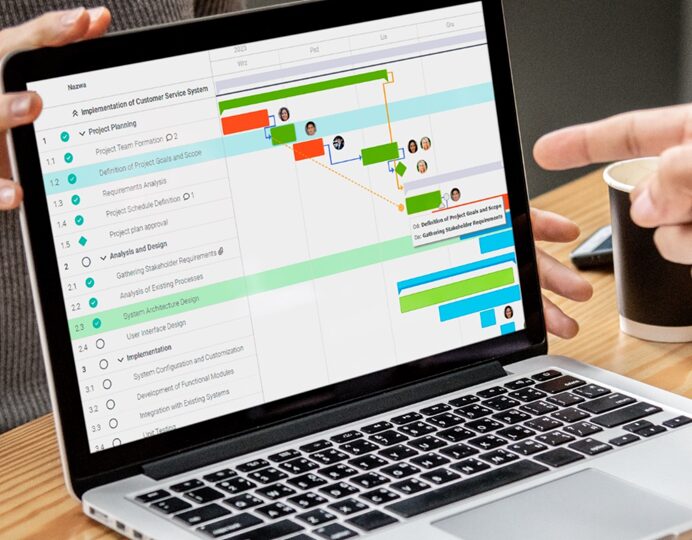
The best global leaders approach this challenge differently. They embrace asynchronous collaboration – allowing people to contribute in their working hours, not someone else’s. Recorded video briefs, structured documents, and automated task notifications replace unnecessary meetings.
FlexiProject supports this workflow beautifully. Its task comments, notifications, and reports let projects move forward without waiting for simultaneous connection. Work continues “around the clock,” but without burning anyone out.
Cultural Intelligence: The Soft Skill That Hardly Feels Soft
Technology can connect teams, but culture makes them effective. What feels like directness in one culture may come across as rudeness in another. Some teams thrive on consensus, while others value speed and autonomy.
Leaders who succeed internationally cultivate cultural intelligence – the awareness and curiosity to adapt communication styles to different norms. They don’t assume silence means agreement or that enthusiasm always equals commitment.
Digital tools can help standardize clarity. Within FlexiProject, task notes, documentation, and visual timelines create context that transcends language barriers. Clear written communication replaces assumptions, ensuring that every contributor – regardless of culture – feels informed and respected.
The Tools That Make Global Teams Work
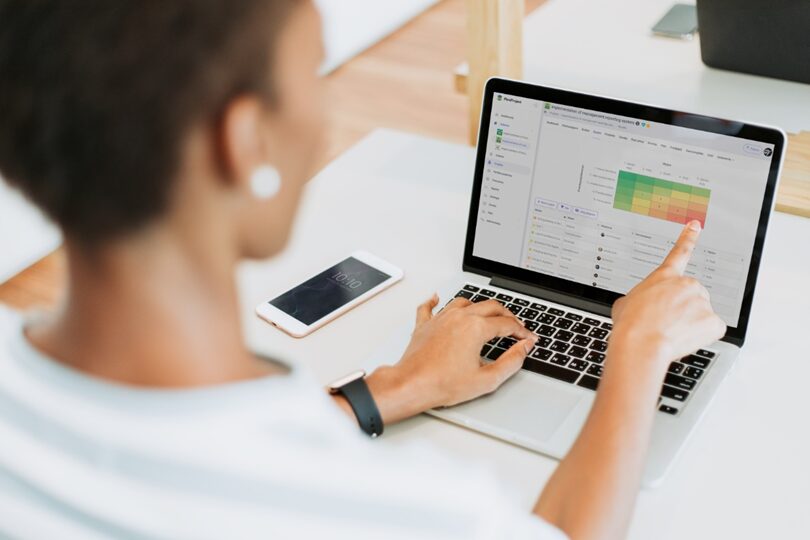
Technology is the great equalizer of modern teamwork. The right platforms simplify communication, organize priorities, and provide real-time updates that keep everyone aligned.
Here’s what effective tools for global collaboration should offer:
- Unified dashboards that display project progress at a glance.
- Automated reporting to eliminate manual updates.
- Comment threads and file sharing to keep context intact.
- Time tracking and workload balancing to prevent burnout.
FlexiProject delivers these capabilities through a clean, intuitive interface that serves teams of every size – from startups to multinational enterprises. The goal isn’t just to manage work but to make global collaboration effortless.
Leadership Practices That Build Cohesion
Even the best tools fail without strong leadership. Global project leaders must blend strategy with empathy, using both structure and flexibility to keep people motivated.

They set clear expectations but allow autonomy. They replace long reports with meaningful feedback. They listen as much as they direct. And, most importantly, they create psychological safety – so every team member, whether in Lagos or Lisbon, feels confident to speak up.
In global projects, leadership isn’t about presence; it’s about connection. And connection requires both technology and trust.
From Connection to Performance
When managed well, distributed teams offer something extraordinary: true 24-hour productivity. Work continues seamlessly as time zones overlap, and fresh perspectives flow through every handoff.
But this performance only emerges when collaboration tools and cultural awareness align. With platforms like FlexiProject, teams gain the visibility and rhythm they need to transform diversity into strength.

Distance, in this sense, becomes an asset – not a barrier. It’s the proof that with trust, transparency, and smart systems, even the farthest teams can feel just one click away.